Water & fire damage · A practical guide
After Water or Fire Damage: What to Save, What to Toss and What to Sell
By Restora Michigan
After water or fire damage, sorting your belongings can feel like another emergency. Some things may be recoverable. Others are unsafe to keep, even if they look fine. Start with safety and documentation, then separate the decisions about restoration, disposal and selling. You do not have to decide everything on the first day.
Make the property safe before sorting
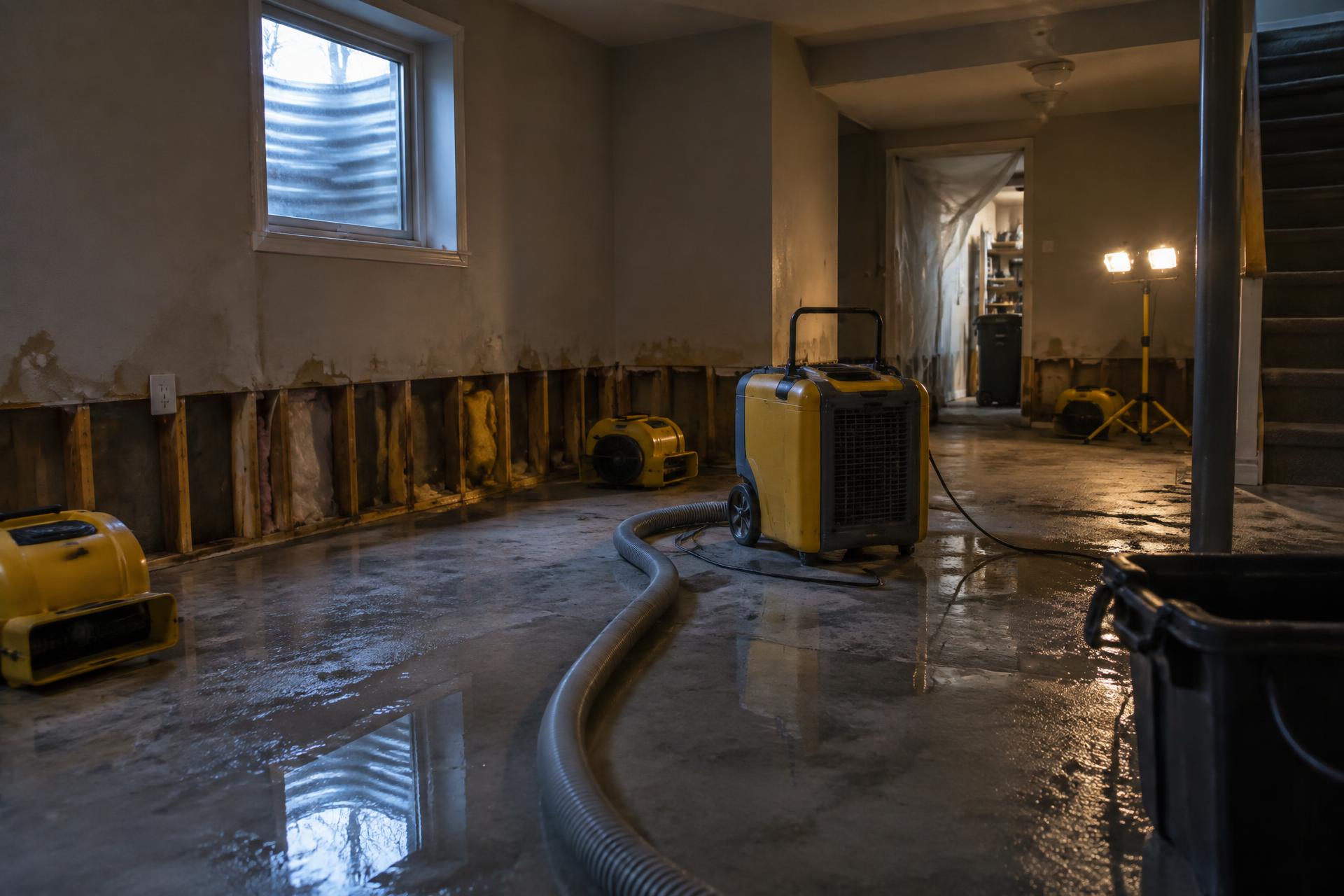
After a fire, wait until the fire department or appropriate local authority says you can enter. Leave if you smell gas, see sparks or notice unstable ceilings or floors. Call 911 for immediate danger. Keep children and pets away from damaged rooms. Never enter standing water near outlets, appliances or an electrical panel.
If a leak is active, turn off the main water valve only if you can reach it safely. Do not switch on wet equipment or use household fans around contamination. Sewage, mold, heavy soot and suspected hazardous building materials need professional assessment. Gloves, boots and eye protection help with limited, low-risk sorting, but they do not make a contaminated space safe.
Document damage before moving or discarding items
Take wide photos of each affected room, then close-ups of individual belongings. Photograph water lines, soot, staining and damaged packaging. Record brand names, model numbers and serial numbers when accessible. Make an inventory with each item's description, approximate purchase date and any receipts or older photos you already have. Do not guess values or describe damage you cannot verify.
Contact your insurer to ask how they want the loss documented and whether they need to inspect items before disposal. Keep cleanup receipts and notes about conversations. If something creates an immediate health hazard, prioritize safety, document it from a safe distance and ask about the next step. This is general preparation, not a coverage decision: your policy and insurer's process determine what is required.
Furniture: look beyond the surface
Solid wood furniture may be recoverable after limited exposure to clean water, depending on swelling, joints and finishes. Metal and some hard plastic pieces may also be candidates for cleaning. Particleboard that has swollen or separated is often difficult to restore. Upholstery, cushions and mattresses can hold moisture, contamination and smoke residue inside, beyond what you can see.
Keep potentially recoverable furniture separate from contaminated items if it is safe to move. Do not paint over soot or spray fragrance to hide odors. Furniture exposed to sewage or significant mold needs a professional decision; replacement may be the safer option. Fire damage can also affect glue, padding and structural strength. Looking dry or smelling better is not proof that a piece is safe.
Electronics: do not power them on to check
Unplug affected electronics only when it is safe to do so. Do not charge a wet phone, connect a damp computer or test an appliance after water or fire exposure. Water and soot can damage internal parts and create electrical hazards even when the outside looks clean. Keep the item disconnected and ask a qualified repair professional or manufacturer about inspection.
If the device contains important files, ask about data recovery before authorizing disposal. A working screen does not establish electrical safety. Heat-damaged batteries, appliances with compromised wiring and equipment contaminated by sewage should not be offered to another person as usable goods. Follow your local household hazardous waste or electronics recycling program's instructions for damaged batteries and devices.
Documents and photos: protect irreplaceable keepsakes
Handle wet papers and photographs gently. Do not pull apart pages or prints stuck together, rub soot into them or use an oven or hair dryer. For a small amount of lightly wet material from clean water, careful air-drying in a safe, clean space may help. Separate loose sheets only when they lift without tearing, and keep track of what each item is.
For family albums, valuable documents or larger quantities, contact a document-restoration specialist or conservator promptly. Ask before freezing or applying any cleaning treatment; photographs and different media need different handling. Scan or photograph recovered documents when safe, and request replacement copies of official records from the issuing organization. Keep digital backups in more than one location.
Clean safely and create three clearly marked groups
Label items as assessment needed, safe to keep, or disposal pending documentation. Do not mix contaminated belongings with clean ones. For minor clean-water exposure, follow the item's care instructions and dry it thoroughly in a safe setting. Never mix cleaning chemicals, especially bleach with ammonia or other cleaners. Avoid dry brushing or vacuuming soot with an ordinary household vacuum.
Ask your restoration team which items need specialist cleaning and which cannot be made safe. Bag and dispose of contaminated materials according to local requirements, after addressing documentation needs. Keep a list of discarded belongings. Be cautious with food, medicines and cosmetics exposed to heat, smoke or floodwater; appearance alone cannot confirm their safety.
Sell only items that are safe and no longer wanted
A recovered item does not have to go back into your home. Once its condition and safety are established, a garage sale can work for a few unwanted household pieces. For a full clear-out, an estate sale may be more practical, particularly when you need help organizing, pricing and handling many belongings. Set aside sentimental items before anyone starts sorting for sale.
Do not sell contaminated upholstery, unsafe electronics or belongings with unresolved damage as ready to use. Be open about known exposure, repairs and remaining defects, and keep cleaning or inspection records. If you cannot establish that an item is safe, choose professional assessment or appropriate disposal rather than passing the risk to someone else.
If you are considering a larger sale, you can compare estate sale companies in Michigan. Ask how they handle previously damaged items, what their fees include and which belongings they will not accept. A sale organizer is not a substitute for a restoration or electrical safety assessment.
Frequently asked questions
Should I throw everything away after water damage?
No. Recoverability depends on the water source, materials and extent of damage. Document belongings and seek assessment before deciding, while prioritizing immediate health hazards.
Can I keep furniture that smells like smoke?
It needs assessment. Smoke residue can remain inside padding and porous materials. Masking the smell does not establish that the furniture is clean or safe.
Can I sell something that was restored?
Only consider selling after safety and condition are established. Explain known damage and repairs honestly. Do not sell belongings with unresolved contamination or electrical hazards as usable items.